

Written By: Kara Dobovich, MScOT
Registered Occupational Therapist
Sensory processing differences in children aren’t misbehaviour; they’re a nervous system telling you what it needs.
What Is Sensory Processing?
Sensory processing is how the brain takes in information from the body and the world, sorts it, and decides what to do with it. It happens constantly, and for most of us it happens without any effort at all.
Most people learn five senses in school. Occupational therapists work with eight:
Sight
Sound
Touch
Taste
Smell
Vestibular — the sense of movement and balance, based in the inner ear
Proprioception — the sense of where the body is in space, coming from muscles and joints
Interoception — the sense of what’s happening inside the body: hunger, thirst, needing the bathroom, a racing heart
When these systems work together smoothly, a child can sit at a noisy lunch table, tune out the chatter, notice they’re hungry, and eat lunch. That’s a lot of sensory work for something that looks like nothing.
When the systems don’t line up, the same lunch table can feel overwhelming, or so under-stimulating that a child can’t stay in their seat. The behaviour you see — covering ears, refusing food, bolting from the room, crashing into a friend — is the visible end of an invisible process.
Sensory processing sits on a continuum. Every one of us has preferences and limits. It becomes worth looking at when a child’s sensory needs regularly get in the way of eating, sleeping, learning, playing or being with other people.

Seeking, Avoiding, and Everything In Between
Two kids in the same classroom. Two completely different nervous systems.
The Sensory Seeker
This child’s nervous system registers input quietly, so they go looking for more of it.
Always moving — jumping, spinning, climbing, crashing
Touches everything and everyone, often too hard
Loves loud music, strong flavours, tight squeezes
Seems to have one volume setting
Chews on shirt collars, sleeves or pencils
Seekers are often labelled hyperactive or rough. Usually they’re trying to feel organized.
The Sensory Avoider
This child’s nervous system registers input loudly, so ordinary things land as too much.
Covers ears at hand dryers, vacuums, assemblies or birthday parties
Fights over clothing tags, seams, socks or new fabrics
Eats a narrow list of foods, often sorted by texture
Dreads haircuts, nail trims and hair washing
Melts down at the end of a busy day, not during it
Avoiders are often labelled picky or dramatic. Usually they’re trying to feel safe.
Most children aren’t purely one or the other. A child can crave movement and hate loud noise. A child can crash into the couch all afternoon and still be bothered by a shirt tag.
Where Sensory Processing Shows Up

At Home
Mealtimes that shrink to five accepted foods. Bath time and hair washing that turn into a fight. Pyjamas that feel wrong every single night. Bedtime that stretches an hour because the body can’t settle. Home is where sensory needs show up first, because home is where a child feels safe enough to fall apart.

At School
Sitting still on the carpet. Tolerating the volume of thirty classmates. Managing the pressure of a pencil for handwriting. Transitioning from recess back to a desk. A child spending most of their energy staying regulated has very little left over for reading and math.
Out in the Community
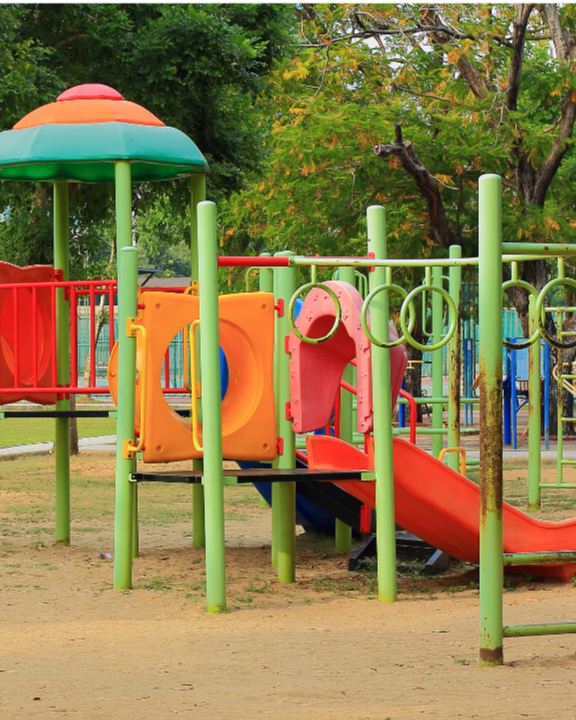
Fluorescent lights and echo in a grocery store. Twenty kids and a bounce house at a birthday party. A stranger with clippers at the barber shop. These are the outings families quietly stop attempting ; which is often the first real cost of unaddressed sensory needs.
When Should I Follow Up With an Occupational Therapist?
There’s no single behaviour that means a child needs occupational therapy. What matters is the pattern, and whether it’s costing the child something. Consider reaching out if:
Sensory reactions are interfering with eating, sleeping, dressing or hygiene on most days
Your family has started avoiding places or events to prevent a meltdown
Your child’s teacher is raising concerns about attention, movement, or handwriting
Recovery from being upset takes far longer than you’d expect for their age
Your child seems constantly “on” or constantly “off,” and rarely lands in the middle
Your child is starting to notice they’re different, and it’s affecting how they feel about themselves
You’re managing it — but you’re exhausted, and you’d like a plan instead of a workaround
An occupational therapy evaluation isn’t a test your child can fail. We watch how your child moves, plays and responds, we use standardized assessments where they’re useful, and, most importantly, we ask you what a hard Tuesday actually looks like in your house. From there we build strategies that fit your child’s specific profile and your family’s real routines, and we teach them to you, because the useful work happens in the other 167 hours of the week, not just in our clinic.
One more thing worth saying plainly: understanding your child’s sensory profile changes how the whole family reads their behaviour. “He’s being difficult” becomes “his body needs movement before he can sit.” “She’s so picky” becomes “that texture is genuinely painful for her right now.” That shift, on its own, is worth the visit.
Do you have questions regarding your child’s sensory processing? Please reach out to info@ascendpeds.com, and they would be happy to help!